Nitrous Oxide Sedation – Ann Arbor, MI
A Simple, Effective Way to Soothe Your Anxiety
Many people feel nervous about dental appointments, but if you’re overly anxious, you might frequently cancel visits or avoid scheduling them altogether, which can put your dental health at risk.
Dr. Cocco understands that you might feel worried about your upcoming procedure and will do everything she can to help soothe any frayed nerves. For instance, she can provide nitrous oxide sedation, more commonly known as laughing gas, to help you get through your treatment successfully. Continue reading to learn more about this service and when it might be recommended!
Why Choose Dina H. Cocco, DDS, PC of Ann Arbor for Nitrous Oxide Sedation?
- Medication Acts Quickly & Doesn’t Linger in the System
- Accomplished Dentist with 30+ Years of Experience
- Feel Calmer & More Comfortable During Your Appointment
Who Is a Good Candidate for Nitrous Oxide?
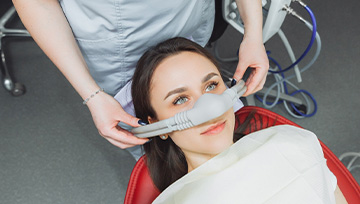
This medication is considered safe for most patients when it’s administered by a licensed professional, such as Dr. Cocco. But that doesn’t mean everyone is considered a good candidate. For instance, if you are pregnant, have respiratory issues, or sinus problems or congestion, it may pose additional risks to your overall health.
Otherwise, this service can be an effective way to help people who have dental anxiety, are afraid of needles, must undergo a longer or more complex procedure, have a sensitive gag reflex, or struggle to sit still for lengthier periods.
How Does Nitrous Oxide Work?
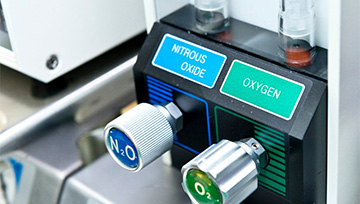
Most people know nitrous oxide by its nickname, laughing gas. This substance is a mild sedative that our team will administer through a nasal mask secured to your face while we work. The effects kick in quickly once you inhale the medication and typically induce deep calm and relaxation. You might even feel tingling or get a bad case of the giggles.
Although you will remain conscious throughout your appointment, you should feel completely at ease. If the effects are too light or too strong, our team can adjust the flow of gas at any time to ensure that you’re truly as comfortable as possible.
Aftercare for Nitrous Oxide
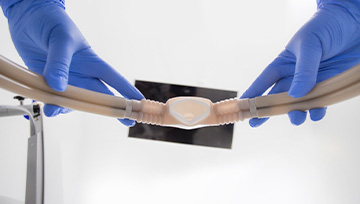
Once your treatment is completed, our team will remove the nose mask so you can resume breathing normally. The sedative usually leaves the system within minutes of removing the facial mask, so most patients can safely resume their usual activities and routines following their appointment.
Side effects are typically minimal and don’t last long, but might include dizziness or lightheadedness, nausea, headaches, or fatigue. We may hold you a few extra minutes to ensure you’re feeling well before wrapping up your visit.